



August 27, 2026
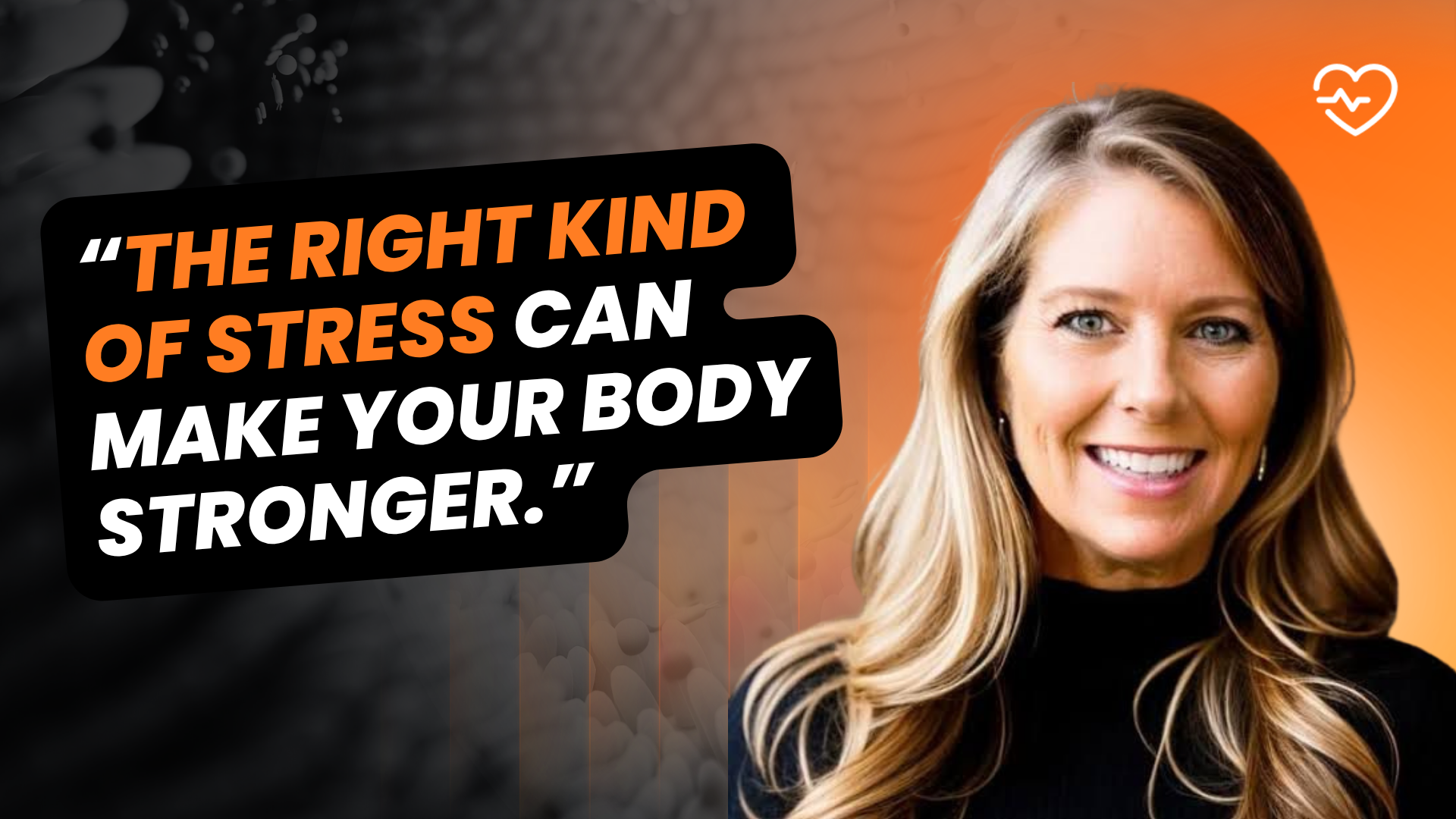
Not all stress needs to be avoided. When brief, controlled challenges are followed by adequate recovery, they can activate natural responses that help the body adapt and become more resilient.
In this Health & Wellness Series presentation, Dr. Jana Schmidt, ND, continues her exploration of hormesis with a practical look at two of its most popular forms: cold and heat exposure. She explains how cold plunges, showers, saunas, heat therapy, and contrast therapy can influence the body, while sharing practical considerations for introducing these stressors safely and gradually.
Brief exposure to cold acts as a controlled stressor, triggering physiological and hormonal responses designed to help the body adapt. Dr. Schmidt discusses cold-water immersion through cold plunges, pools, tubs, natural bodies of water, and even cold showers as different ways to introduce this type of hormetic stress.
Cold exposure also activates thermogenesis, the process the body uses to generate heat. Dr. Schmidt explains how brown adipose tissue uses glucose and fats as fuel during this process and discusses its relationship to metabolism, circulation, and the body's ability to maintain balance.
One of the most interesting effects discussed in the presentation is the relationship between cold exposure and neurotransmitters such as dopamine and norepinephrine.
These chemical messengers play important roles in mood, motivation, alertness, attention, and the body's response to stress. Dr. Schmidt explores how cold exposure can stimulate these systems and shares why she incorporates the practice when looking to support focus, mental clarity, and resilience.
Cold isn't the only temperature-related form of hormesis. Controlled heat exposure through saunas, hot baths, hot tubs, sunshine, or exercise in warm environments can also stimulate an adaptive response.
A major part of this response involves heat shock proteins. Dr. Schmidt explains how these proteins help protect cells under stress, support proper protein function, assist with cellular repair, and help the body remove proteins that can no longer be repaired. She also discusses their connection to recovery, immune function, cellular resilience, and longevity.
The presentation takes a closer look at sauna use, including near-infrared sauna therapy. Unlike simply heating the surrounding air, near-infrared light uses shorter wavelengths designed to penetrate more deeply and raise core body temperature.
Dr. Schmidt discusses how heat and light exposure may support circulation, muscle relaxation, detoxification, energy production, and the body's natural healing processes. She also reviews research related to regular sauna use and long-term health.
Heat and cold can also be combined through contrast therapy. In this approach, periods of heat and cold are alternated to create different effects on blood vessels and circulation.
Heat promotes vasodilation and increased blood flow, while cold produces vasoconstriction. Dr. Schmidt explains how alternating between the two may support circulation, tissue recovery, joint mobility, pain management, and the delivery of oxygen while helping the body remove waste.
Hormetic stress does not need to be extreme to be effective. Dr. Schmidt emphasizes that individual responses vary based on factors such as age, health, diet, exercise habits, and personal tolerance.
Starting gradually, staying hydrated, using a timer, and paying attention to signals such as dizziness, excessive chilling, lightheadedness, or strong discomfort are important parts of the process. The goal is to find a manageable level of challenge that stimulates adaptation without overwhelming the body.
As this second session demonstrates, hormesis is not about pushing yourself to tolerate the hottest sauna or coldest plunge. It's about intentionally using small, controlled challenges to support the body's natural capacity for adaptation, recovery, and resilience



.avif)

.avif)