




December 18, 2025
Read about this class:
The class begins with a simple reminder: most of what people are dealing with today took time to build. Stress compounds quietly through daily choices—food, movement, sleep, breathing, connection. Unwinding it usually requires patience, consistency, and direction rather than urgency or perfection.
Every decision moves the body either closer to resilience or deeper into overload.
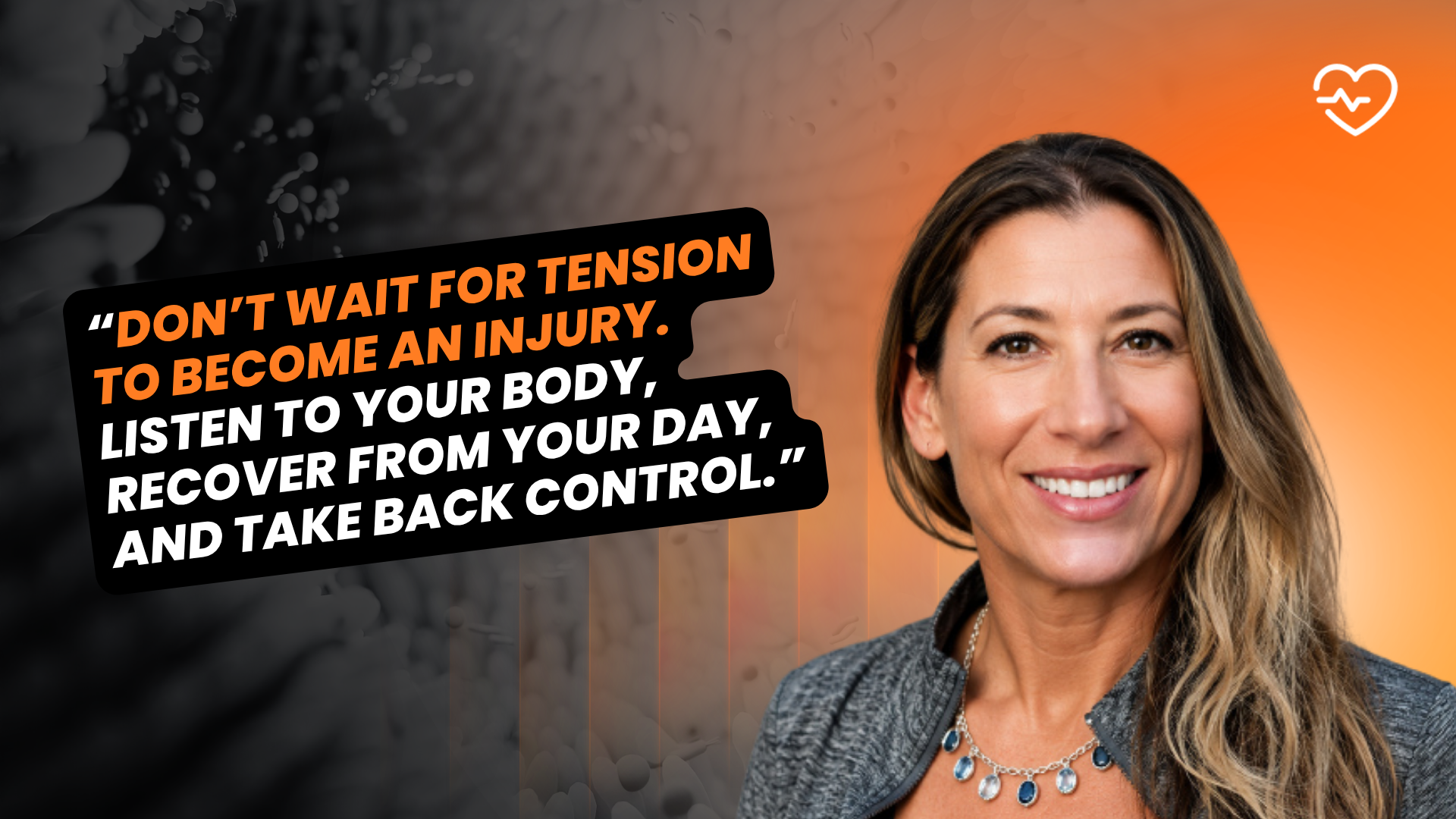
Physical stress is addressed without drama. Sitting too long, staying still under pressure, and ignoring basic movement patterns all add strain.
Short, intense movement is favored over long, draining workouts. Walking is framed not as exercise, but as a stress release tool. When stress rises, movement helps regulate cortisol, blood sugar, and nervous system tone.
Sleep posture matters too. Back sleeping supports better airflow and oxygenation, followed by side sleeping. Belly sleeping ranks last.
Touch is highlighted as one of the most overlooked regulators—hugging, holding hands, physical connection. The nervous system responds to safety through contact.
Many people drink “enough” water while bloodwork suggests otherwise. Sodium and potassium balance often reveal more about hydration than glasses per day. Water quality also matters.
Hydration affects blood chemistry in real time. Poor hydration adds hidden physical stress even when habits appear adequate.
Modern life brings constant chemical exposure through air, water, food, and skin contact. Without intentional filtering, the body absorbs the load.
Air and water filters are framed as basic protection. Reducing chemical input preserves energy for emotional and physical stress rather than forcing the body to manage everything at once.
Food plays a central role. The principle stays simple: eat real food. Remove seed oils, reduce excess sugar, read labels, and prioritize protein—especially from clean animal sources. Count chemicals, not calories.
Movement after eating supports carbohydrate handling. Supplements are secondary to food and testing. Guesswork fades when bloodwork guides decisions.
Physical and chemical stress do not stay separate. Over time, all stress becomes emotional.
Unresolved stress is stored. It accumulates through years of adaptation, not just recent events. Symptoms often reflect old stress held too long, not new stress alone.
This is where most people were never taught how to work.
The autonomic nervous system operates below awareness, yet controls digestion, heart rate, temperature, and recovery. A visual “feelings wheel” is introduced to help identify internal state.
One side reflects unmet needs—fight-or-flight responses like fear, frustration, insecurity. The other reflects met needs—safety, trust, peace. Each emotion has an opposite. Moving toward regulation often requires naming what feels uncomfortable first.
Naming emotions reduces threat response and opens a path toward regulation.
Avoidance is common. Distraction, scrolling, blaming, medicating, and over-researching symptoms all serve to delay emotional awareness.
Stress chemistry itself becomes familiar. The nervous system often prefers familiar chaos over unfamiliar peace. Change can feel threatening—even when current patterns are painful.
Comparison fuels imbalance. Measuring life against curated images distorts reality. Pills, protocols, and providers can assist—but they do not replace inner work.
Healing is framed as an inside-out process. Diagnosis may be factual, but it does not define truth or identity. The body retains capacity to heal beyond what many have been told.
A Christ-centered framework is introduced not as religion, but relationship. The distinction between facts and truth becomes central. Surrender replaces control. Trust replaces fear.
Letting go is not passive. It requires repeated practice—giving stress away again and again. There is no autopilot.
Suffering is acknowledged as part of growth. Avoiding it prolongs imbalance. Facing it refines clarity.
Regulation does not require complexity.
Breathing is emphasized as the most accessible vagus nerve regulator. Longer exhales than inhales stimulate parasympathetic tone. Double inhales work well for some. Diaphragmatic breathing works for others.
Lateral eye gaze, nature exposure, reduced noise, and consistent routines all help the nervous system settle.
Consistency matters more than intensity. One change practiced daily outweighs many ideas tried briefly.
Symptoms are smoke. Stress is the fire.
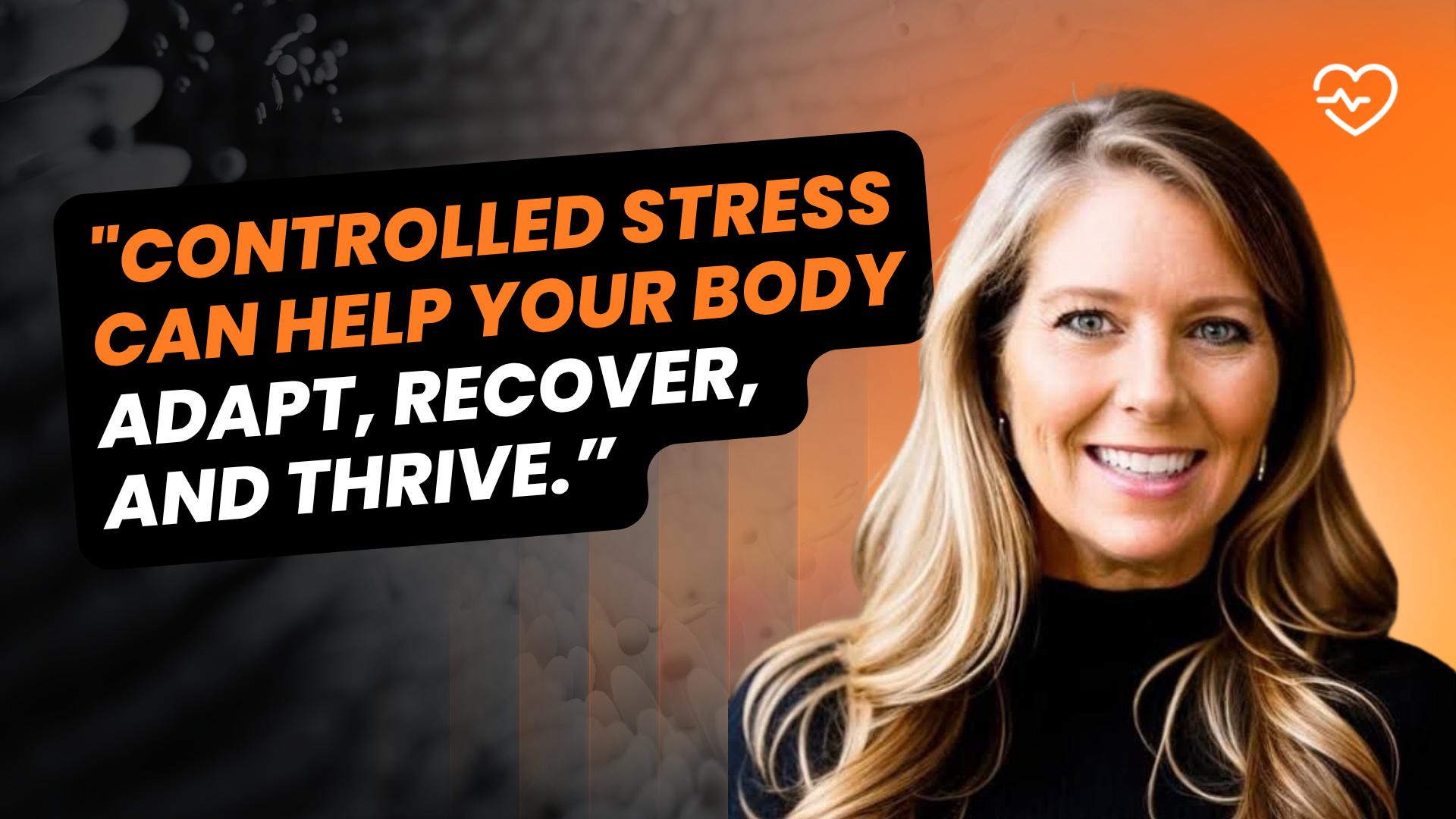
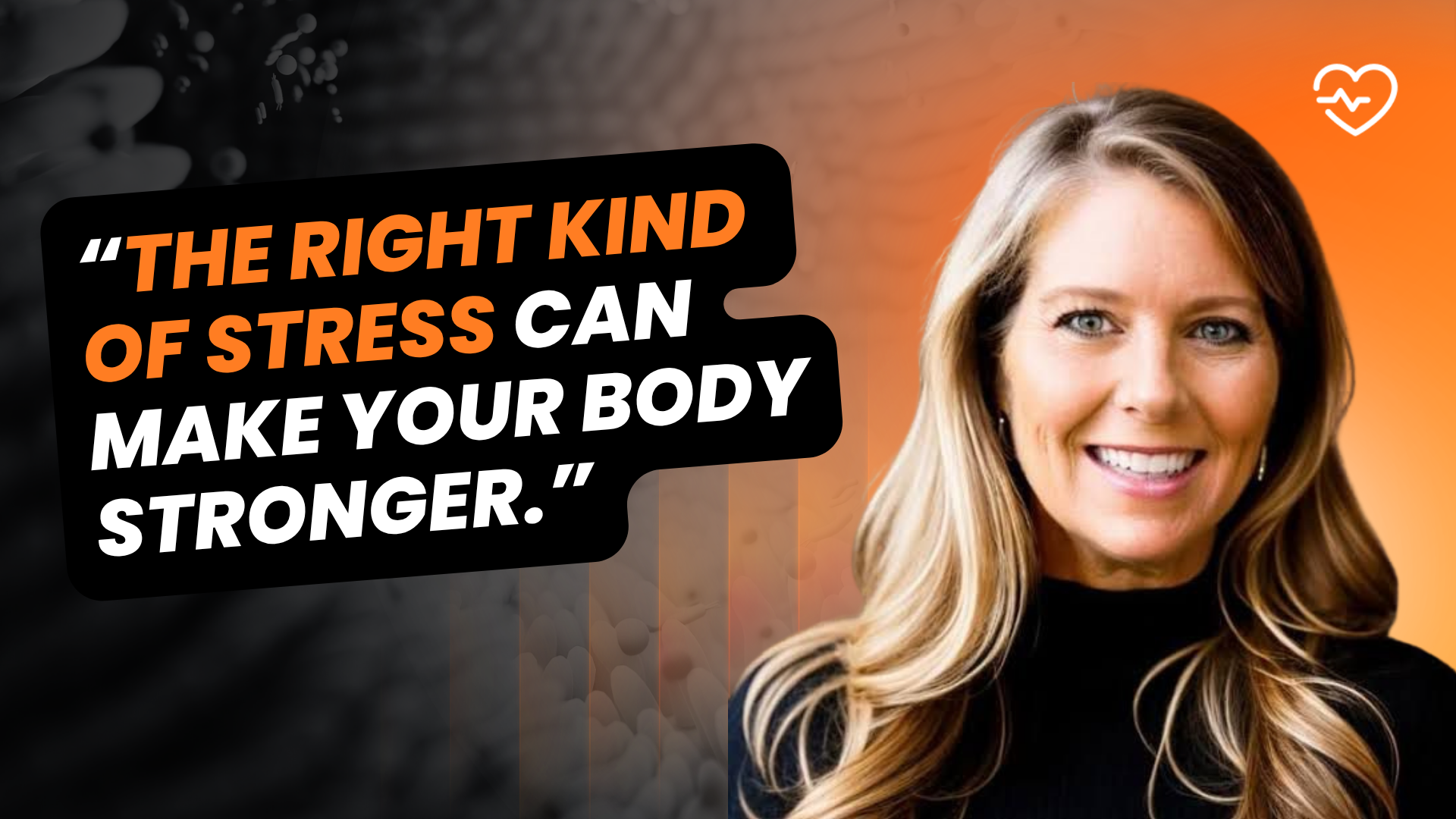
Reducing incoming stress—physical, chemical, emotional—comes before attempting to remove accumulated damage. Progress often appears in metrics before sensations change.
The body’s capacity to heal exceeds what most people have been allowed to believe.
Nothing changes without change. Simple actions, practiced consistently, move the system toward stability.
Hope remains. Curiosity matters. The path forward exists—even when it feels slow.

.avif)
.avif)