



September 30, 2026
God’s mercy is something we receive—but Scripture also calls us to become people who extend it.
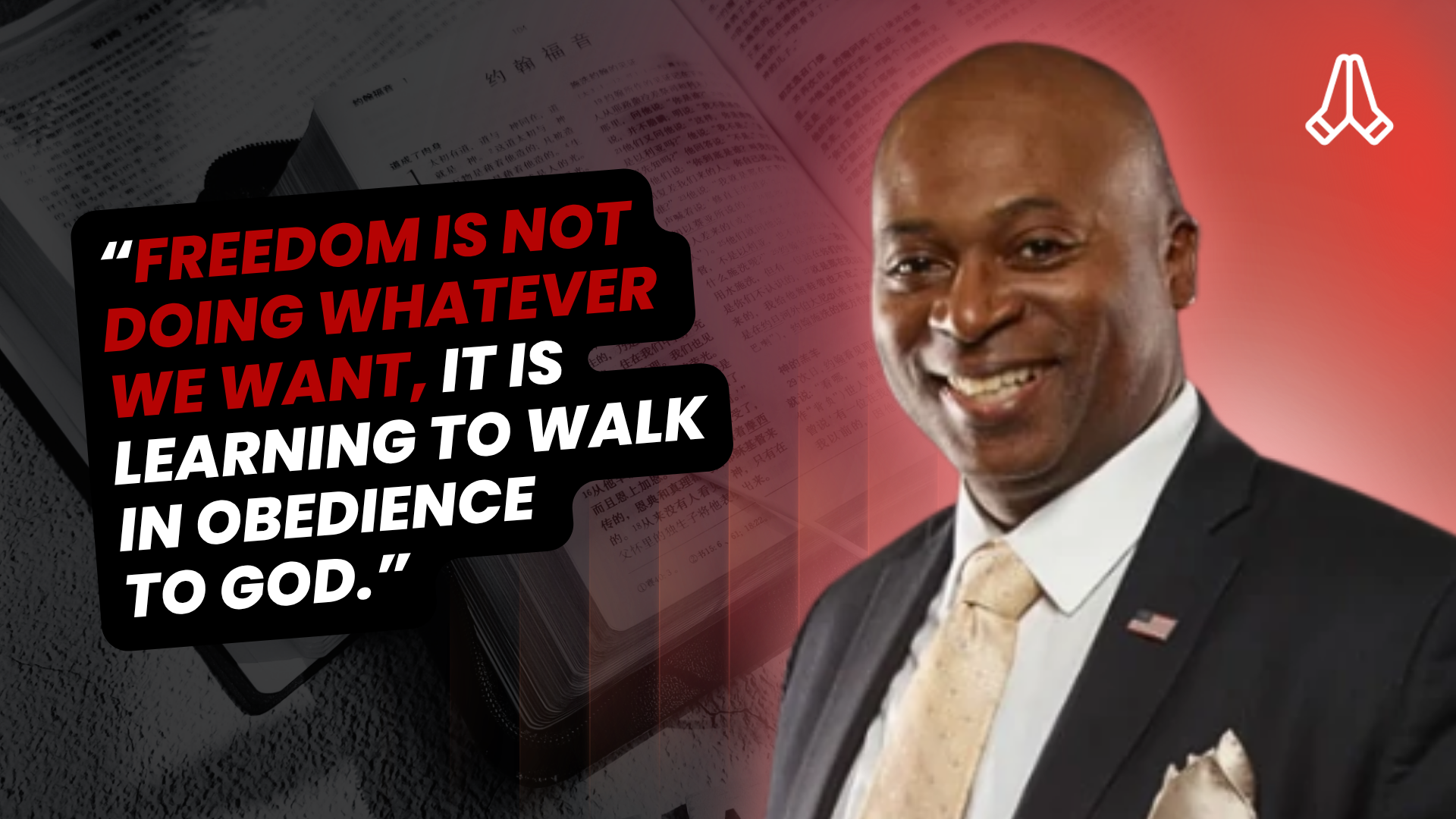
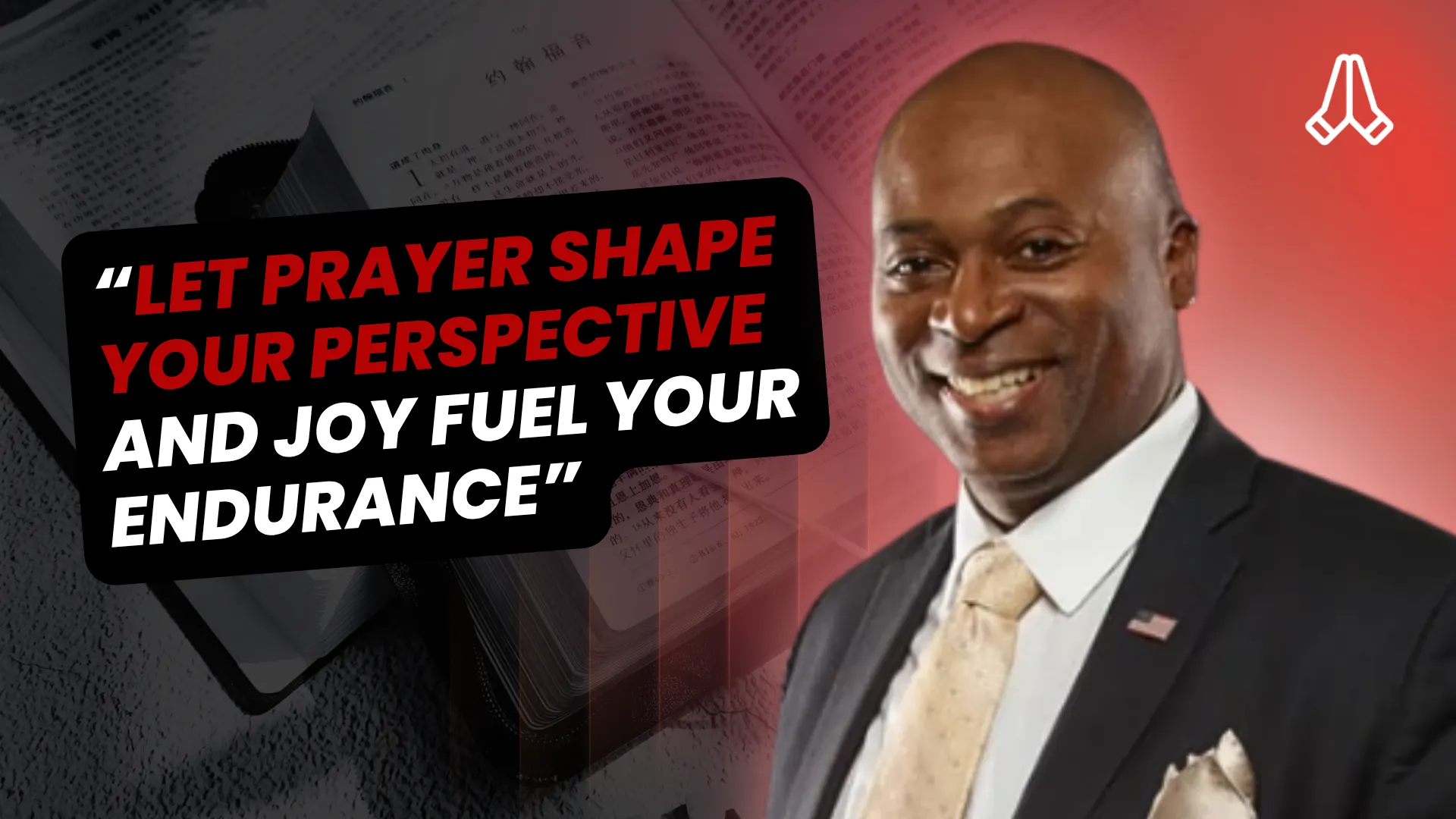
After exploring God's forgiveness, restoration, and far-reaching mercy throughout this series, Bishop Leon Benjamincloses the month with a practical question:
How should receiving God's mercy change the way we live?
Through Micah 6:8 and other passages, this Faith Class explores the call to do justly, love mercy, and walk humbly with God. Texto colado
It is easy to appreciate mercy when we are the ones receiving it.
The greater challenge can be extending that same mercy to someone else.
Bishop Benjamin emphasizes that God's mercy should influence how we respond to the people around us. Mercy becomes more than something we believe in—it becomes something we practice.
Micah begins with a simple instruction: do justly.
There is a difference between talking about what is right and actually doing what is right.
Faith should shape action. When we recognize someone in need, encounter an opportunity to help, or see something that needs to be restored, Scripture calls us beyond words and toward action.
Micah doesn't simply tell us to show mercy. It says to love mercy.
Bishop Benjamin describes this mercy through kindness, loving-kindness, goodness, and favor—including mercy offered when someone may not appear to deserve it. Texto colado
That can be difficult.
But when we remember how often we have needed forgiveness ourselves, our perspective toward others can begin to change.
The lesson points to the biblical story of a servant who receives forgiveness but refuses to extend forgiveness to someone else.
It exposes an important question:
Are we willing to give others the kind of mercy we are grateful to have received ourselves?
Remembering God's mercy can soften our response to the mistakes, failures, and shortcomings of others.
The Apostle Paul becomes another example.
His past was real, but it did not prevent God from transforming his future.
Bishop Benjamin uses Paul's story to emphasize that mercy gives people room to change. Instead of defining someone permanently by who they once were, mercy recognizes what God can still do in their life. Texto colado
Micah's final instruction is to walk humbly with your God.
Humility is not weakness.
It is recognizing who God is—and understanding that we do not accomplish everything through our own strength.
When we recognize the mercy we have received, gratitude begins to replace pride.
The New Testament carries the same principle forward.
Bishop Benjamin points to Luke's instruction to “be merciful” and to the call in Colossians to live with compassion, kindness, and forgiveness. Texto colado
Mercy becomes visible in how we speak, forgive, serve, encourage, and respond to others.
God's mercy was never intended to remain only a theological idea.
It should become visible in our lives.
Do justly.
Love mercy.
Walk humbly with God.
When we remember how much mercy we have received, we become better prepared to extend that mercy to someone else.